


Analysis of the Global and China Ferrous Sulfate Market Development Trends in 2026
Release time: 2026-03-12
Analysis of the Global and China Ferrous Sulfate Market Development Trends in 2026
With the continuous strengthening of global environmental governance, the water treatment chemicals industry has ushered in new development opportunities. Among them, polyferric sulfate, as an efficient inorganic polymer flocculant, is seeing expanding applications in municipal sewage treatment, industrial wastewater treatment, and water treatment for emerging industries. Around 2026, the global and China polyferric sulfate market is being driven by multiple factors, including upgraded environmental policies, improved water treatment standards, and growing demand for industrial pollution control.
In terms of market size, the global polyferric sulfate (PFS) market maintains a steady growth trend. Industry research data indicates that the global PFS market is expected to reach over $1.7 billion by 2030, with a compound annual growth rate of around 6%. As a major global production base for water treatment chemicals, China not only boasts a complete industrial chain but also has enormous market demand, particularly in the fields of municipal sewage treatment and industrial wastewater management, where the market space for PFS manufacturers continues to expand.
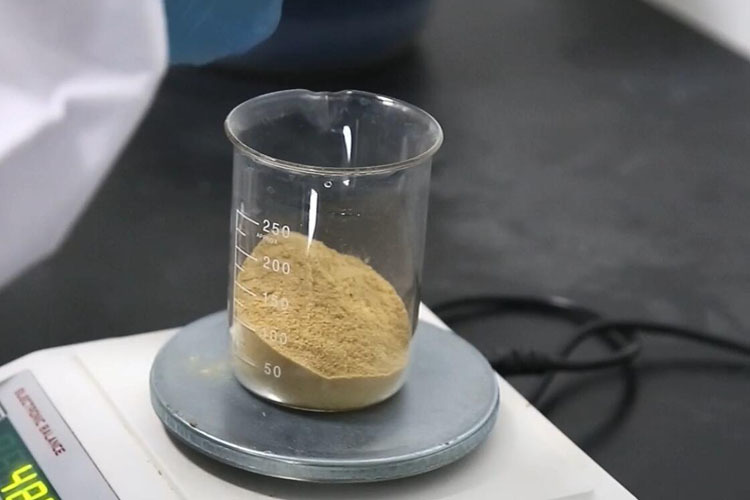
In municipal wastewater treatment, phosphorus removal and advanced treatment have become key priorities as wastewater treatment plants across regions undergo upgrades to meet stricter standards. Polyferric sulfate (PFS) demonstrates significant advantages in phosphorus removal through its dual mechanisms of chemical precipitation and flocculation adsorption, effectively reducing total phosphorus content in wastewater. This makes it a widely adopted solution in advanced treatment processes at municipal wastewater treatment plants. Compared to traditional iron salts, PFS forms larger flocs that settle faster, resulting in more stable treatment outcomes.
In the field of industrial wastewater treatment, stricter emission standards in industries such as textiles, papermaking, dyeing, and petrochemicals have driven enterprises to increase investments in wastewater treatment. Polyferric sulfate demonstrates excellent decolorization and flocculation effects in treating high-colority and high-COD wastewater, significantly reducing suspended solids and pollutant concentrations. As a result, it has become one of the key chemicals for both pretreatment and advanced treatment of industrial wastewater.
In addition to the traditional water treatment market, the rapid development of emerging industries such as new energy material manufacturing and electronics has also brought new demand growth points for polyferric sulfate. For example, in the wastewater treatment of new energy material processing, polyferric sulfate can effectively remove heavy metal ions and colloidal pollutants, thereby improving the operational efficiency of subsequent treatment systems.
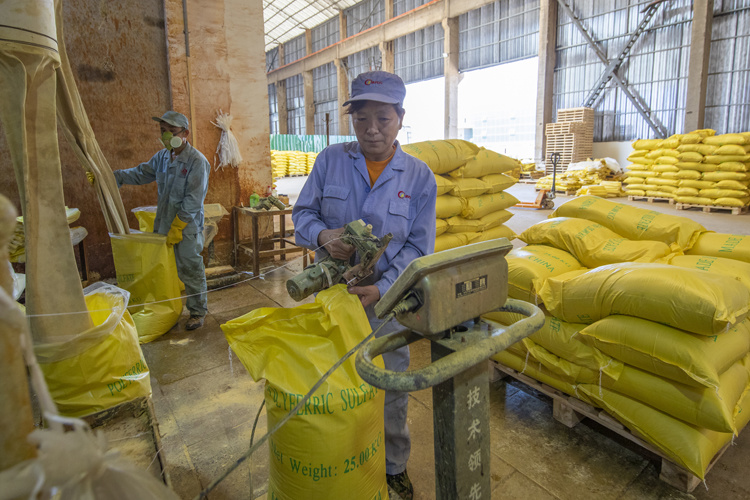
As market demand continues to grow, the price of polymeric ferric sulfate is influenced by raw material costs, energy prices, and supply-demand dynamics. Production of this material primarily relies on basic chemical feedstocks like sulfuric acid and iron salts. Fluctuations in energy prices or volatility in chemical raw materials may impact product pricing. Consequently, an increasing number of polymeric ferric sulfate manufacturers are adopting technological upgrades and resource optimization strategies to reduce production costs and enhance market competitiveness.
Overall, the polymeric ferric sulfate industry is poised for steady growth amid advancing environmental policies and rising water treatment demands. As technology advances and applications expand, this material will gain greater prominence in the global water treatment market, while also unlocking broader development opportunities for manufacturers.
Related Blog

Hotline:
Address:The west industrial cluster area of Jiaozuo City, Henan province, China
Email:aefk@aefkchem.com
Foreign Trade Manager :+86-15803910375
Copyright©2024 Henan Aierfuke Chemicals Co., Ltd www.300.cn SEO This website supports IPv6 Privacy Policy  豫公网安备 41080302000029